
Wedding Dress Alterations in Indianapolis: When Should You Schedule Your First Fitting?
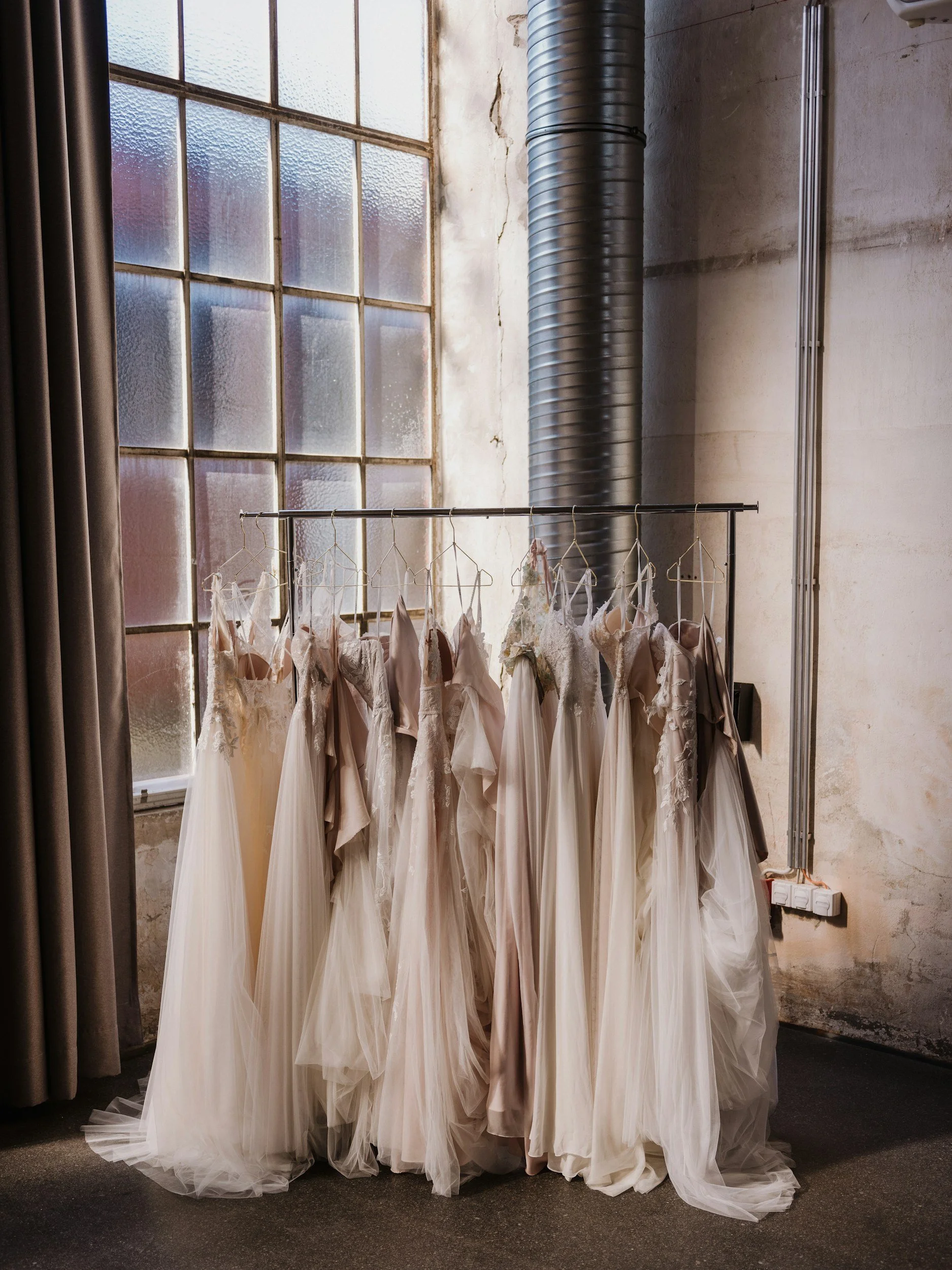
Planning a wedding involves hundreds of decisions, from selecting the perfect venue and florist to coordinating photographers, caterers, and guest lists. One detail that can make a tremendous difference on your wedding day is ensuring your dress fits flawlessly. Even the most beautiful gown won't look or feel its best without professional alterations.
For brides throughout Indianapolis, Carmel, Fishers, Noblesville, Westfield, and the surrounding communities, one of the most common questions is, "When should I schedule my wedding dress alterations?" The answer depends on several factors, but beginning the process early provides the best opportunity to achieve a comfortable, flattering, and picture-perfect fit.
Why Wedding Dress Alterations Matter
Wedding dresses are designed to fit a range of body types, which means nearly every bride will need some level of tailoring. Professional alterations transform a beautiful gown into your gown by adjusting it to your exact measurements and posture.
Common alterations include:
Hemming the dress to match your shoes
Adjusting shoulder straps
Taking in or letting out the bodice
Reshaping sleeves
Adding or adjusting bust support
Shortening or bustling the train
Replacing zippers or buttons
Repairing delicate lace or beadwork
These adjustments improve both appearance and comfort, allowing you to move confidently throughout your ceremony and reception.
The Ideal Wedding Dress Alteration Timeline
Four to Six Months Before the Wedding
Once you've purchased your dress, contact a professional alterations shop to reserve your fitting appointments. Bridal alteration schedules often fill quickly, especially during peak wedding season in Central Indiana.
Booking early ensures you'll have flexibility if additional adjustments become necessary.
Two to Three Months Before
This is typically your first fitting. Your seamstress will evaluate the dress, discuss any changes, and pin areas requiring adjustment.
Bring:
Your wedding shoes
The undergarments you plan to wear
Any shapewear
Accessories that could affect the fit
Four to Six Weeks Before
During the second fitting, you'll try on the dress after the initial alterations have been completed. Additional fine-tuning may be needed to perfect the fit.
Two Weeks Before
Your final fitting confirms that every adjustment is complete. You'll also learn how to bustle the train if your gown includes one.
Avoid making significant weight changes after this appointment whenever possible.
What Brides Should Bring to Every Appointment
Preparation helps your seamstress achieve the most accurate fit possible.
Always bring:
Wedding shoes
Undergarments
Veil (if purchased)
Jewelry
Belt or sash
Shapewear
Hair accessories if they affect your neckline
Wearing the complete ensemble allows your alterations specialist to make precise adjustments.
Bridesmaids, Mothers of the Bride, and Formalwear
Wedding alterations aren't limited to bridal gowns. Professional tailoring can also ensure a polished fit for:
Bridesmaid dresses
Mother of the bride dresses
Mother of the groom dresses
Flower girl dresses
Prom dresses
Formal gowns
Tuxedo pants and jackets
Suit alterations
Scheduling these alterations early helps avoid last-minute stress before the wedding.
Why Local Brides Choose Professional Alterations
Working with a local alterations shop offers several advantages:
Personalized fittings
One-on-one attention
Quick communication
Convenient appointment scheduling
Experienced craftsmanship
Knowledge of current bridal styles
A trusted local seamstress understands how different fabrics, lace, satin, crepe, chiffon, and beading behave during alterations.
Frequently Asked Questions
How long do wedding dress alterations take?
Most bridal alterations require several weeks and multiple fittings. Starting three to six months before your wedding is recommended.
Can a wedding dress be taken in or let out?
In many cases, yes. The amount depends on the dress design and available seam allowances.
Do I need my shoes before alterations?
Absolutely. Heel height directly affects the dress length.
Should I lose weight before alterations?
If you plan to make lifestyle changes, discuss your goals with your seamstress. Major size changes after fittings may require additional alterations.
Can lace or beading be altered?
Yes. Experienced alteration specialists can carefully work with intricate fabrics and embellishments while maintaining the gown's original beauty.
Preparing for Your Wedding Day
Your wedding dress is one of the most memorable garments you'll ever wear. Investing in professional alterations ensures it fits beautifully, photographs perfectly, and allows you to enjoy every moment without worrying about comfort or movement.
If you're getting married in Indianapolis, Carmel, Fishers, Westfield, Noblesville, or anywhere throughout Central Indiana, scheduling your bridal alterations early helps create a stress-free experience and ensures your dress is ready well before your wedding day.
Whether you need simple hemming or detailed custom tailoring, working with an experienced alterations professional can make all the difference. Contact us with any questions.
